REGISTER →
Our mission The exam Eligibility Study resources FAQ Rules Register

USBMEO qualifying round · Oct 10, 2026

International Biomedical Engineering Olympiad

The International Biomedical Engineering Olympiad is a rigorous, internationally benchmarked competition for high school students who are serious about a future in biomedical engineering.
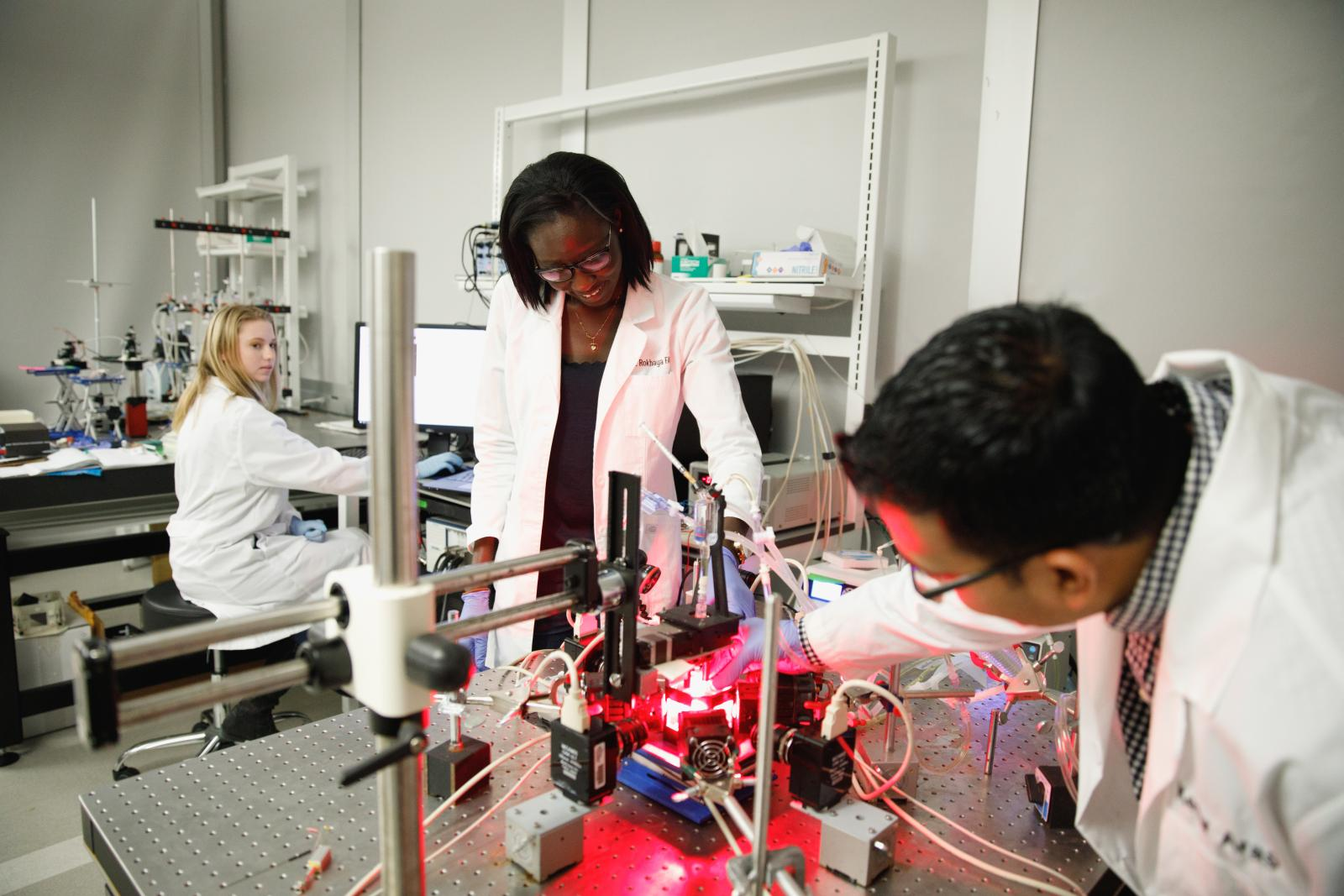
Student working at a biomedical engineering lab bench
Oct 10USBMEO qualifying exam
AllCountries represented
OnlineProctored, no travel
Gr. 9–12All countries welcome

Our mission

Advancing the next generation of biomedical engineers

Biomedical engineering is the field responsible for the design and development of the medical devices and technologies that modern healthcare relies on.

The International Biomedical Engineering Olympiad is a qualifying and international competition for high school students who are interested in pursuing biomedical engineering. The US Biomedical Engineering Olympiad (USBMEO) is the open qualifying exam; the top scorers per country advance to IBMEO.


About the exam

What the exam covers

The US Biomedical Engineering Olympiad (USBMEO) exam is a single multiple-choice section covering the core concepts of biomedical engineering: biomechanics, biomaterials, bioinstrumentation, and physiological systems. See the exam format below and the study resources section for guidance on preparation.

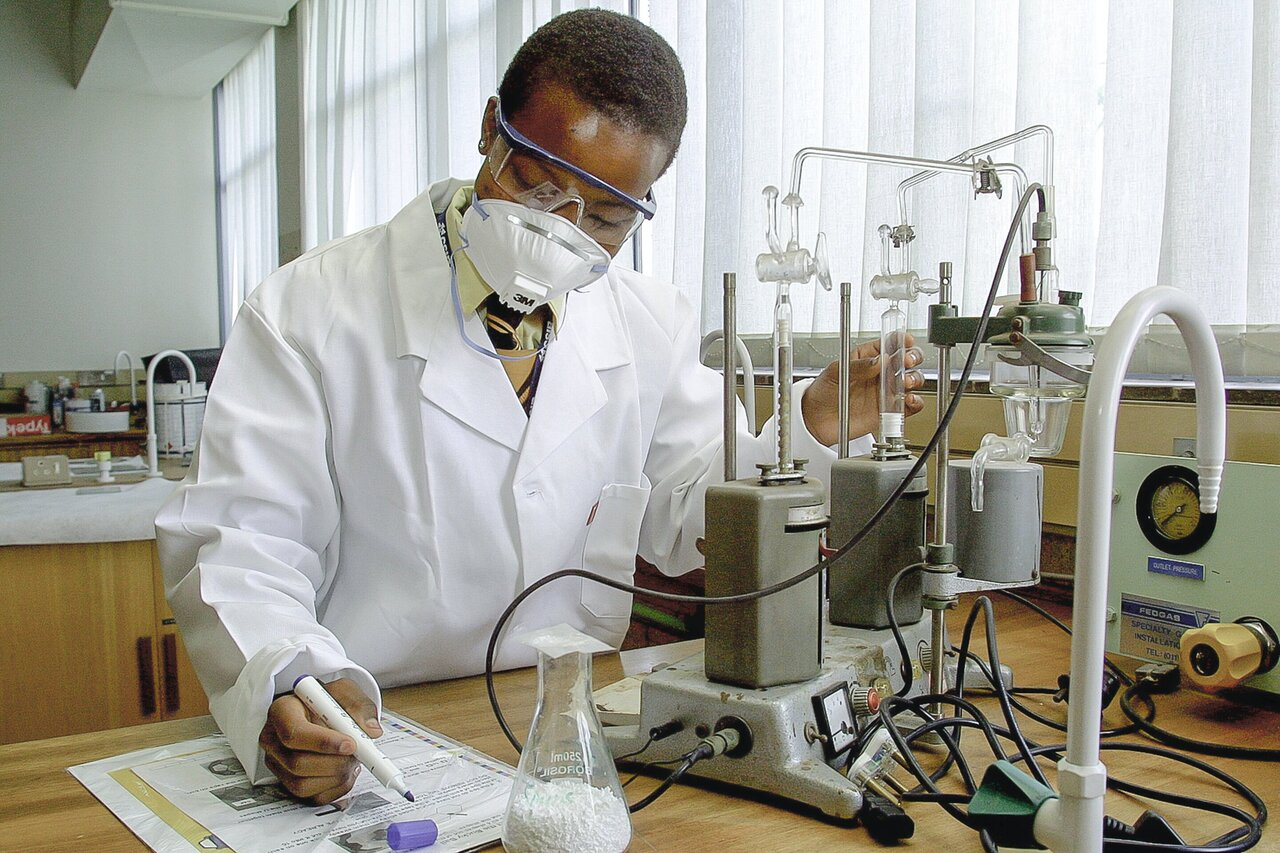
Biomedical engineering lab and student equipment

Requirements

Eligibility

Candidates must meet all of the following requirements to register for the USBMEO qualifying exam.

Age

20 or younger at the time of the IBMEO international round.

Enrollment

Currently enrolled in secondary school — grades 9–12 or equivalent.

Residency

Citizen or permanent resident of the country you compete under.
Notebook with engineering sketches and a calculator

Format

How qualification works

All candidates begin at the same open qualifying exam. Only the top scorers from each country advance.

USBMEO

Open qualifying exam, October 10, 2026. Any eligible student, from any country, may register directly.

IBMEO

International round, October 24, 2026. Invitations are sent to the top 5 scorers per country after results are published.

Exam format

55 multiple choiceCore concepts — biomechanics, biomaterials, bioinstrumentation, and physiological systems.

Full eligibility, scoring, and testing-window details are in the official rules & regulations →


Preparation

Study resources & sample problems

Three texts form the core reading list for the exam. Work through the chapters noted below, then test yourself against the sample problems.
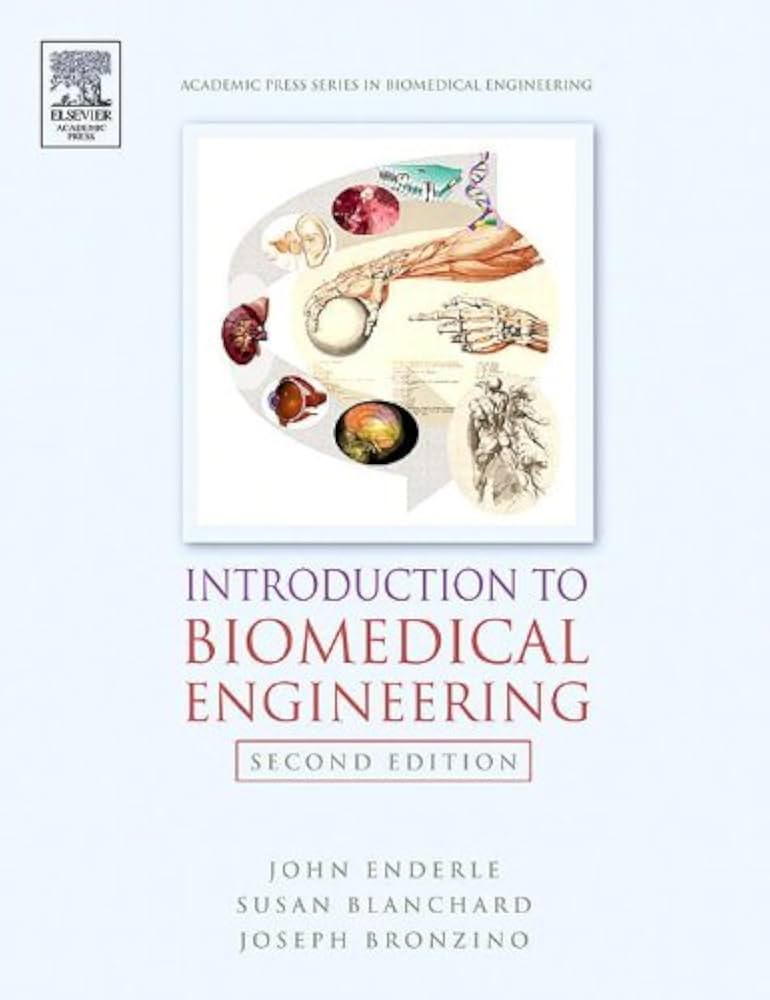
Core concepts Cover of Introduction to Biomedical Engineering by Enderle and Bronzino

Introduction to Biomedical Engineering

Enderle & Bronzino
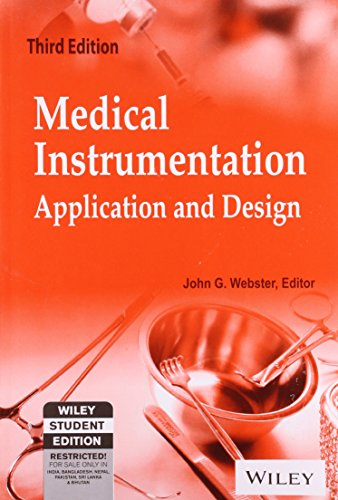
Bioinstrumentation Cover of Medical Instrumentation: Application and Design by Webster

Medical Instrumentation: Application and Design

Webster
Biomaterials Cover of Biomaterials Science by Ratner, Hoffman, Schoen and Lemons

Biomaterials Science

Ratner, Hoffman, Schoen & Lemons

Sample problems

3 questions · click an answer to check it
A quarter-bridge Wheatstone circuit uses a single active strain gauge to measure deformation in a prosthetic limb's load-bearing frame.
Why is a bridge circuit used instead of measuring the gauge's resistance directly?
AIt doubles the gauge factor of the sensor
BIt converts a tiny resistance change into a measurable voltage difference
CIt eliminates the need for signal amplification entirely
DIt removes the need for a reference voltage
Answer: B. Strain gauges change resistance by fractions of a percent under normal loads — too small to read directly with useful precision. A bridge circuit balances the gauge against known reference resistors so the tiny imbalance shows up as a proportional, measurable voltage, which can then be amplified.
A wearable ECG monitor samples a signal that contains meaningful frequency content up to 150 Hz.
What is the minimum sampling rate that avoids aliasing, per the Nyquist criterion?
A75 Hz
B150 Hz
C300 Hz
D1500 Hz
Answer: C. The Nyquist criterion requires sampling at more than twice the highest frequency of interest — for a 150 Hz signal, that is a minimum of 300 Hz. Sampling more slowly folds high-frequency content back into the passband as aliasing.
A titanium hip implant is coated with hydroxyapatite before it is surgically placed.
What is the primary engineering purpose of the hydroxyapatite coating?
ATo increase the implant's tensile strength
BTo make the implant electrically conductive
CTo promote bone growth and osseointegration at the implant surface
DTo reduce the implant's overall weight
Answer: C. Hydroxyapatite closely mimics the mineral component of natural bone, encouraging surrounding bone cells to bond directly to the implant — osseointegration — which gives it long-term mechanical stability in the body.

Registration

Register for USBMEO 2026

Registration is now open. Complete the form below, then confirm payment. All registrants compete on October 10, 2026.

1Details
2Payment
1Student info
2Parent / guardian
Notes
Payment
USBMEO 2026 Registration
$25.00
Secured by Stripe

Your registration fee goes directly back into running this competition — covering proctoring software, question writers, and our organizing team. Thank you for helping keep the USBMEO/IBMEO a rigorous and credible competition.

All fees non-refundable · support@ibmeo.org

You're registered.

Payment confirmed — check your email for the confirmation record. See you on October 10, 2026.


Questions

FAQ

Looking for the complete policy language? See the rules & regulations →

Who can participate?

Any student in grades 9–12 (or equivalent), 20 or younger at the time of competition. Open to every country — no citizenship requirement to enter the USBMEO.

What's the difference between USBMEO and IBMEO?

USBMEO is the open qualifying exam every candidate sits on October 10. IBMEO is the international round on October 24 for the top 5 scorers per country, invited automatically after results are published.

How does country ranking work?

Scores are ranked within each participating country separately. You select your country of citizenship or permanent residency when you register. See Section 5 of the rules for the full advancement policy.

What should I study?

Biomechanics, biomaterials and biocompatibility, bioinstrumentation and signal processing, and basic circuits as applied to medical devices — see Study resources above.

Is the exam online? Do I need a webcam?

Yes — fully online with proctoring software. You will need a stable connection and a webcam, and may start at any time within the 12-hour window on October 10.

What do participants receive?

Every participant receives an official digital certificate. Top scorers receive Gold, Silver, Bronze, or Honorable Mention with formal award documentation. See Section 6 of the rules for exact award thresholds.